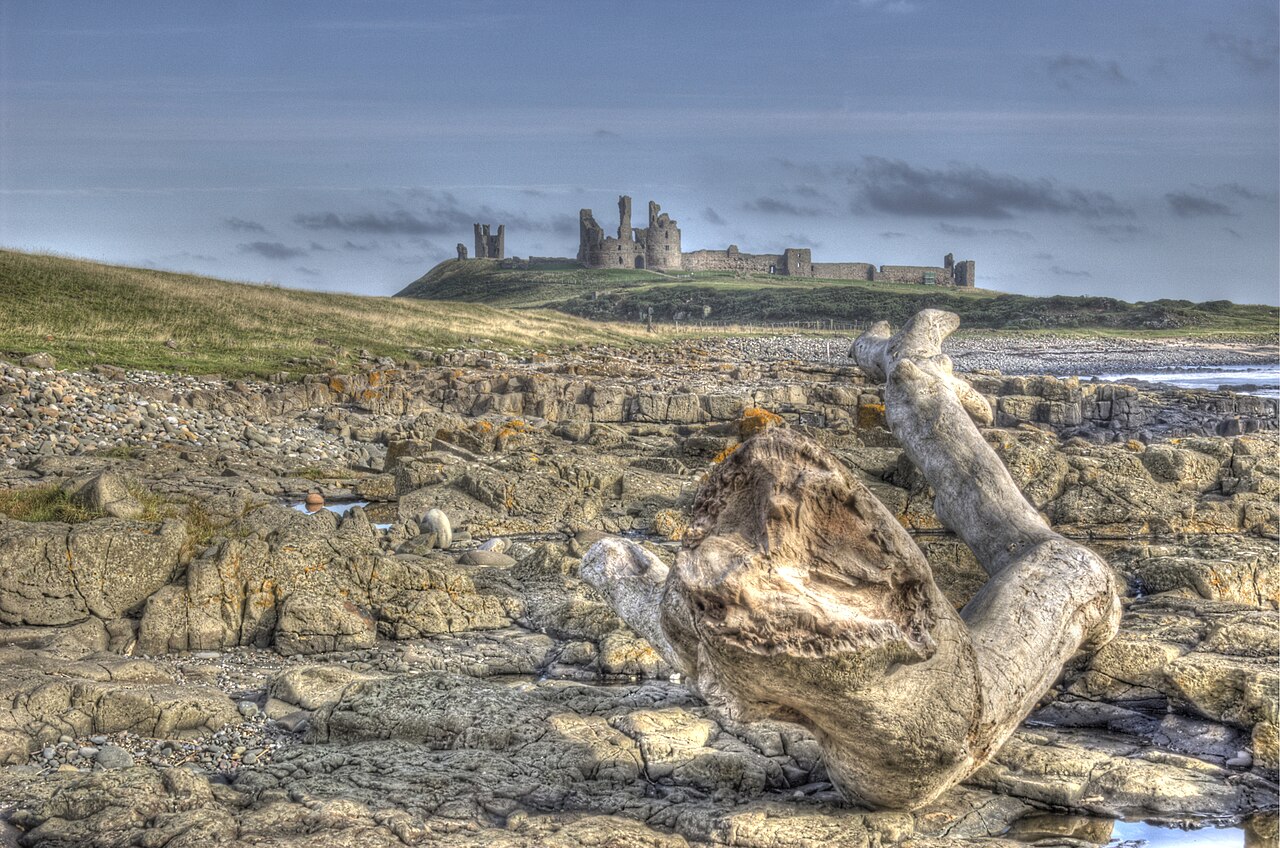
Dunstanburgh is a remote coastal ruin, and the approach is part of the experience. Craster pairs its harbour with the rugged walk to the gates; Embleton offers a different village and bay setting to the north. English Heritage says the castle is reached on foot from either village, so book a base for the walking and weather you can manage, not for an imagined car park at the walls.
Craster places the harbour at the start of the published coastal approach. Choose it when the walk to the ruins is the heart of the break and you can manage the path in both directions.
Good for: A walking-led castle stay from a fishing village.
Before you choose: The castle has no roadside arrival from the village; allow for the exposed, uneven coastal route even if staying locally.
Embleton
Embleton gives a village inn and access to the coast from the north. It suits a longer beach-and-castle break with a separately planned walk.
Good for: A broader Embleton Bay coast stay.
Before you choose: English Heritage describes footpaths from both Embleton and Craster; do not assume the inn stands at the castle gate.
EXPLORE YOUR OPTIONS
Places to stay near Dunstanburgh Castle on the map
Explore accommodation near Dunstanburgh Castle. Check the route to the visitor entrance before booking.
The map is centred on Craster, the main coastal walking approach. Dunstanburgh Castle is reached on foot.
Advertisement · Map supplied by Stay22
The map loads automatically as you scroll to this section.
Choose between an Alnwick town evening and an outskirts base for castle, garden and coastal outings.
Make it your kind of break
ROMANTIC BREAKS
Let the walk set the pace
Stay in Craster for the harbour-to-castle approach or Embleton for the bay side. The shared value is the coastal landscape, with the ruin as the destination rather than a quick indoor stop.
FAMILY BREAKS
Plan the return as carefully as the outward leg
The walk is exposed and uneven; children still need the same route back. Keep a flexible village meal or beach stop after the castle instead of stacking another distant attraction.
A LITTLE ROOM TO EXPLORE
A coast and castle walking break
Choose a date and route around weather and opening, then build an unhurried day on the coast.
Settle by the coast
Arrive in Craster for a harbour evening or Embleton for an inn base near the bay. Identify the footpath start and return route in daylight.
Walk to Dunstanburgh
Follow the published coastal approach from your chosen side, explore the ruins when open, and return by a route suited to current conditions.
Keep a local coastal morning
Explore Craster harbour or Embleton Bay before leaving. If you want a longer walk, use the English Heritage circular route with its published terrain notes.
Less time? With one night, keep the castle approach and one local evening. Skip the longer circular route and give the return walk enough time.
BEFORE YOU CHOOSE
A few useful details
Can I drive directly to the castle?
No visitor road reaches the castle. English Heritage directs visitors along footpaths from Craster or Embleton, describing a roughly 1.5-mile rugged coastal walk. Craster’s council car park is about 1.3 miles from the site and is charged separately.
What if I arrive by bus?
English Heritage lists Arriva X18 and Travelsure 418 to Craster. After alighting, the coastal path to the castle remains part of the journey. Check current services and leave enough daylight and energy for the return walk.
Is the ruin suitable for a wheelchair visit?
English Heritage says there is no on-site transport from Craster, the approach crosses uneven ground, and the gatehouse upper floors have spiral stairs without alternative access. A shop ramp does not make the whole castle or approach accessible.
Is Dunstanburgh run by English Heritage or the National Trust?
The National Trust owns the castle, while English Heritage maintains and manages the visitor site. Use English Heritage for current admission, opening and access details; the two organisations have different roles here.
Can the castle visit be the whole day?
The ruins and exposed coastal route are best treated as one walking outing, with a harbour or beach stop around it. English Heritage publishes a longer circular walk for those wanting more distance; use its route rather than improvising a cliff path in poor conditions.
Independent, research-led base and accommodation comparison. This is not a firsthand property review or an endorsement by the National Trust. Property links lead to official operator sites.
Sources checked 2026-09-23. Check current arrangements before travelling.
 PlacesToStay